
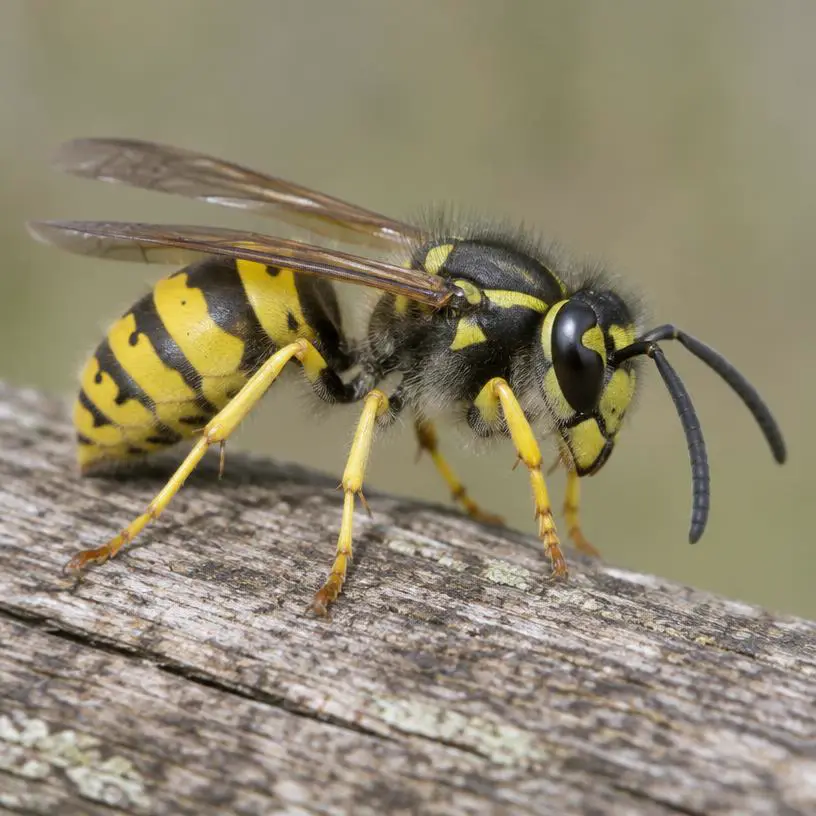
Traps can catch wasps, but do not treat a nest
Wasp traps can catch individual foraging wasps, but they are not a reliable way to deal with a nest or stop a colony. A trap does not reach the nest, and catching some visitors does not establish where they came from or resolve activity at an entrance. If wasps repeatedly enter a particular hole in a building or the ground, assess that possible nest separately rather than relying on a trap.
A trap may make a limited difference in a particular spot, but results vary and it may draw wasps and other insects to the area. It cannot guarantee a wasp-free patio or garden. Before deciding whether to use one, consider whether you are seeing occasional insects searching for food or repeated traffic to a fixed nest entrance. Avoid placing a device where people, pets or useful insects are likely to encounter it.
What a trap does—and does not—tell you
A trap attracts insects to a container or device from which they cannot readily escape. Capturing a wasp only shows that an insect encountered and entered it; it does not show that the nest is nearby, that there is only one nest, or that the colony has been controlled. Wasps can forage across an area, and a garden can have visitors even when there is no nest on the property.
Likewise, an empty trap does not rule out an active nest. Wasps may not encounter it, may be seeking other food, or may be using a route elsewhere. Assess suspected nesting activity by watching from a safe distance for repeated entry and exit at one point. Do not approach, block or probe the opening to check whether a trap has worked.
Traps should not be confused with professional nest treatment. If activity is concentrated at an entrance beside a doorway, play area or room, avoid disturbing the site and get advice. A nest away from people may be manageable without treatment; the setting and exposure matter more than whether a trap catches insects.
Possible drawbacks and non-target insects
An attractant can bring wasps into the very area where people are eating or relaxing. A device near a patio, door, path or children’s play space can therefore be counterproductive. If you choose to use a commercially available trap, follow its label and positioning instructions, keep it away from people and pets, and check it as directed without handling or disturbing a suspected nest.
Traps may also capture insects other than the target. Pollinating and other beneficial insects can be affected, and the contents can be unpleasant to manage. Do not assume that any striped or flying insect is a wasp: bees and other insects need different consideration. If you suspect honeybees, seek advice from a local beekeeper or BBKA swarm collector rather than trying to trap them. Suspected Asian hornets should be reported to GB NNSS through the Asian Hornet Watch app.
Avoid improvised mixtures or recipes presented as universally effective. A homemade attractant can still draw insects, spill, ferment or create a nuisance, and its performance and selectivity are uncertain. There is no need to experiment with chemicals or place bait near a suspected entrance. Choose practical, low-risk measures first and use any purchased product strictly as labelled.
Reduce food attraction around people
If wasps are gathering around an outdoor table, focus on food and waste rather than trying to eliminate every insect. Keep sweet drinks covered, clear spills and food scraps promptly, and shut bin lids. Check cans and cups before drinking, especially when left unattended. These habits can make eating areas less inviting, but they do not remove a colony and cannot stop wasps foraging elsewhere.
Pick up fallen fruit when it is safe to do so, and avoid leaving open food or rubbish near doors. Do not swat at wasps or wave a trap around to move them. If an insect is near food, calmly cover or put away the food and give it room to leave. Where a nest may be close, keep children and pets away from its likely flight route rather than attempting to divert insects with bait.
A trap is not a substitute for ordinary prevention or nest assessment. Occasional wasps at a bin or flowers may be foragers, while repeated entry to a fixed gap deserves separate attention. The guide to signs of a wasp nest explains what to observe safely; there is no need to follow insects or get close to an entrance.
When a nest may be the real issue
Repeated wasps entering and leaving one opening can indicate a nest. The entrance may be in eaves, a loft gap, a shed, a wall cavity or a hole in the ground; the visible opening may not reveal the nest’s actual position. Do not seal it, pour anything into it, insert a trap, or dig around it. Interference may provoke defensive behaviour or cause wasps to seek another route.
If the opening is close to an unavoidable route or wasps are entering an occupied room, keep people away and seek professional advice. Tell the adviser where the traffic is seen, when it occurs and whether insects appear indoors. Do not enter a loft, dismantle a shed or move stored items to investigate. An assessment can establish whether treatment is appropriate; trapping individual foragers is not a substitute.
Ground-level treatment with a telescopic pole may be suitable for some nests, but the method depends on the location and access. Treatment targets the active colony and does not necessarily include physical removal of the nest structure or building repairs. Ask what work is included rather than assuming that a trap or treatment will remove every insect from the wider garden.
Use traps cautiously, or choose another step
If you decide to use a trap, place it only where its instructions allow and where it will not invite wasps close to people, pets or a busy entrance. Do not place it beside a nest opening or in a position that requires approaching an active colony to check it. Stop using it if it creates a nuisance or captures insects you did not intend to attract. Follow the product directions for disposal; avoid touching insects or contents unnecessarily.
For many household situations, food management and distance are more useful first steps. If wasps keep returning to a fixed entry point, record what you can see from a safe location and request advice. If there is no fixed entrance, occasional visiting wasps alone may not justify a nest treatment. No trap can guarantee that wasps will not return or that a colony elsewhere will not forage in the garden.
A known sting allergy, frequent use of the affected area, or wasps appearing inside makes it sensible to seek help rather than experiment with traps. Following a sting, serious symptoms such as breathing difficulty, swelling of the mouth or throat, faintness or collapse require 999. For an ordinary nest concern, keep clear and avoid DIY disturbance while arranging appropriate advice.
Sources
Frequently asked questions
Will a wasp trap get rid of a nest?
No. It may catch individual foragers, but it does not treat the nest or reliably control the colony. Repeated traffic at an entrance needs separate assessment.
Can a trap attract more wasps to my patio?
It can attract wasps into its vicinity, so placing one near seating, a doorway or a play area may increase encounters. Follow product instructions and keep it away from people and pets.
Are traps safe for bees and other insects?
They may catch non-target insects. Do not assume every insect is a wasp; seek suitable advice for bees and report suspected Asian hornets to GB NNSS via the Asian Hornet Watch app.
What should I do if wasps repeatedly enter a hole?
Keep clear, do not block or probe the entrance, and seek advice about a possible nest. A trap for foragers is not a substitute for assessing the source.